The Maldives, read carefully.
Twelve years of trip reports, dive logs and traveller reviews, synthesised into one honest reading of the islands. We take no hosted stays, accept no paid placements, and sign every opinion we publish.
What full coverage looks like
Two pages set the editorial bar for the rest of the site. The Soneva Fushi review and the Baa Atoll guide carry the depth, the sourcing and the negative observations we hold every new page to. New write-ups land in the same shape, one at a time, when the evidence is there.
Where the catalogue sits today
The numbers below update on every deploy. Resort and atoll entries graduate from researching to full as the editorial pipeline lands the long-form work.
“The most editorially honest of the eco-luxury resorts. Water bottled on-island, glass studio for waste, no-news-no-shoes that survive scrutiny.”
Soneva Fushi, the full review →
Resorts we've spent the most time reading
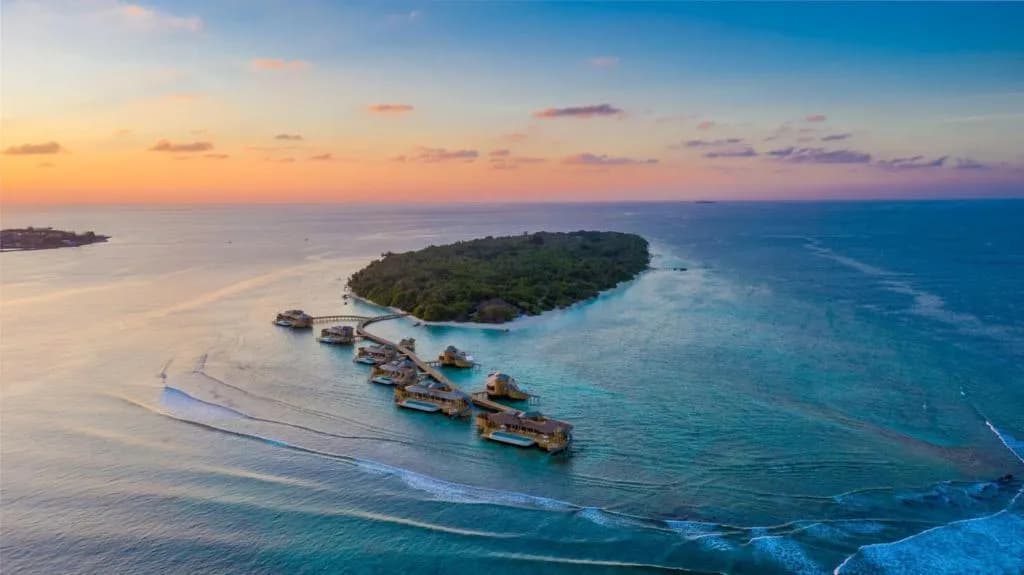
Soneva Fushi
Full reviewThe most editorially honest of the eco-luxury resorts. Specifics, water bottled on-island, glass studio for waste, no-news-no-shoes, that survive scrutiny.
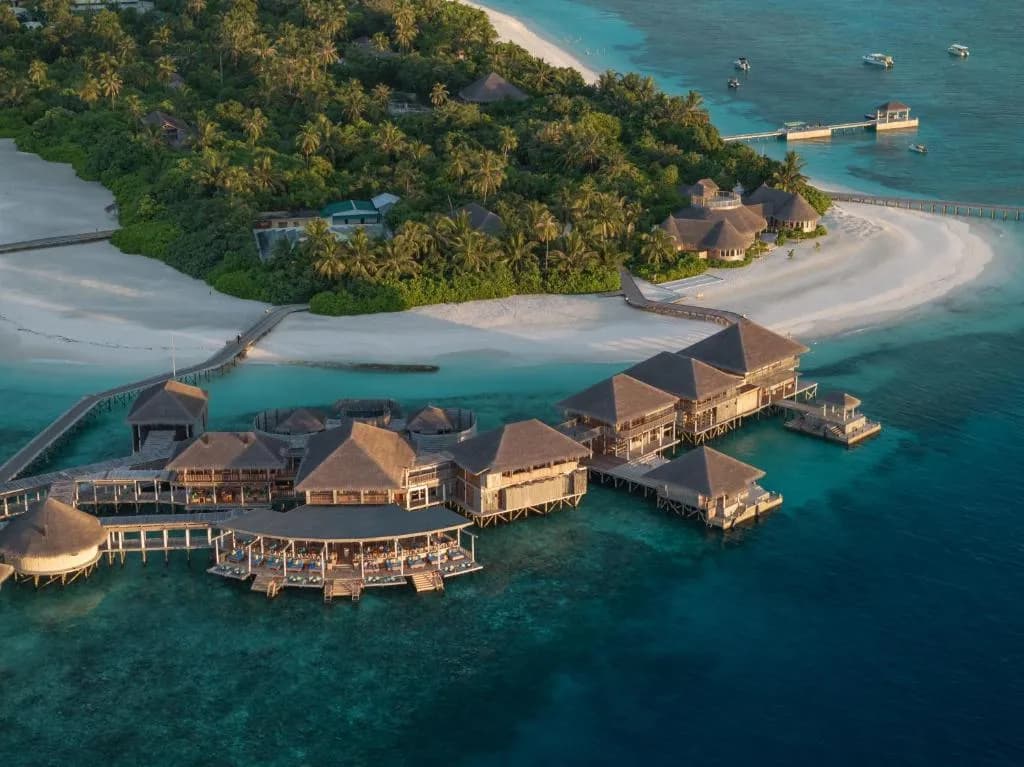
Six Senses Laamu
ResearchingThe only resort in the south of the country worth a long detour. Marine biologist on island, surf out front from May to October, the slowest pace in the price tier.
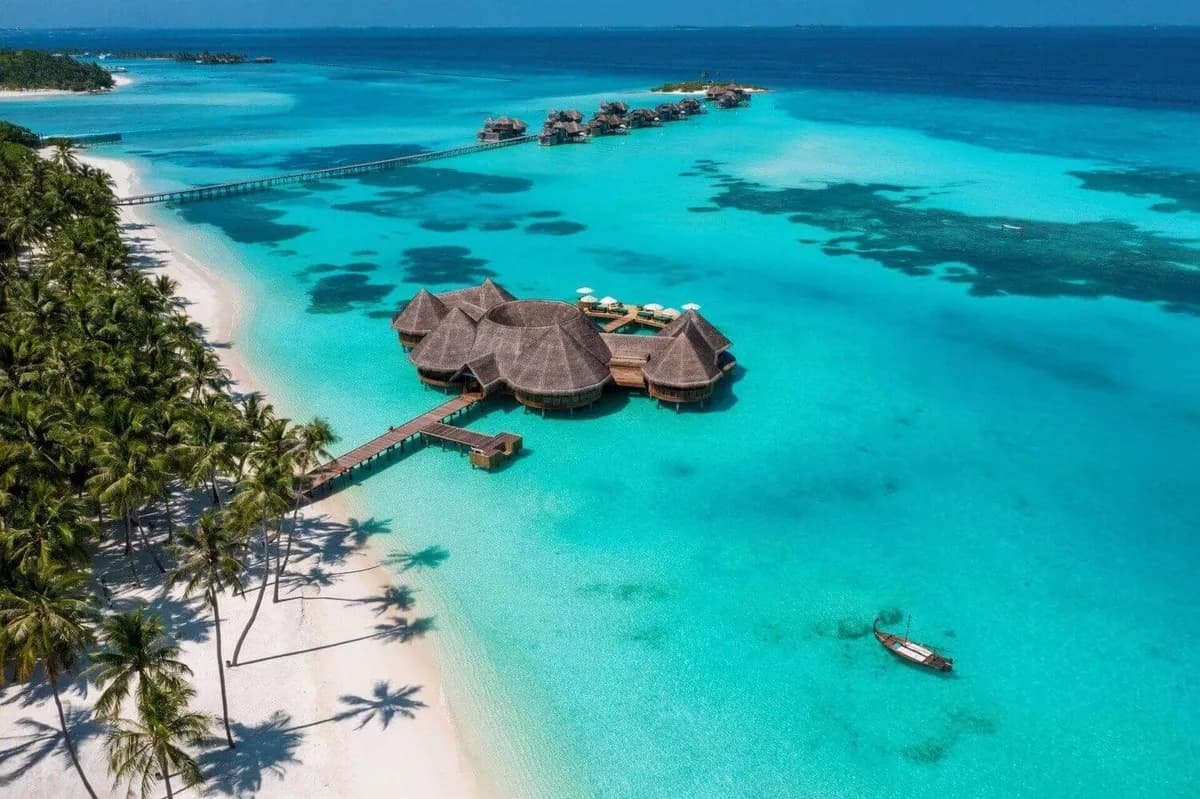
Gili Lankanfushi
ResearchingNo shoes, no news, no children. Twenty minutes by speedboat from Velana, but socially as far from Malé as anywhere in the country.
Why we cover the Maldives this way
Most writing about the Maldives is broken in a recognisable pattern. The booking aggregators flatten 160 resorts into a sortable price grid. The sponsored travel blogs cannot say anything negative about the property that hosted them. The generic listicles repeat themselves into noise. The category rewards the writers least able to be useful.
Maldives Idylls fills the gap a fourth format leaves open: honest, observed, sourced coverage that earns the reader's trust by being willing to say what a resort isn't for as well as what it is. Every page we publish carries at least one negative observation. Every numeric claim traces to a source we can name. Every photograph is credited to the operator that produced it.
We take no hosted stays. We accept no paid placements. We do not write from a single trip report; we write from the pattern across two hundred to four thousand reports per resort. Affiliate commission on a booking made through a partner link funds the work. Nothing else does. The economics line up with the editorial posture, which is why the editorial posture can stay honest.
The reader who arrives at this site is researching one of the most expensive single decisions of their first year of marriage, or one of the most expensive holidays of their working life. The cost of choosing the wrong atoll, or the wrong resort, or the wrong month, is real. We make the choice cheaper by writing the page we would have wanted before our own first trip. Anyone who has ever opened nineteen tabs and still felt unprepared is the reader this site is for.
Latest from the field
New full reviews, atoll guides, comparisons and cluster guides as they land.
 Resort
Coco Palm Dhuni Kolhu
Coco Collection Maldivian-owned long-tenure boutique-luxury on Dhuni Kolhu island, Baa Atoll UNESCO Biosphere Reserve. 98 villas across one of the country's most-densely-vegetated naturally-tropical-island configurations, multi-decade continuous operation since 2001 under the same Maldivian-owned family group, Hanifaru Bay manta-aggregation routing at the day-trip distance, the stable repeat-guest base reading the property's identity as the deliberately-restrained tree-line-natural alternative to the chain-luxury Baa cluster.
Read it → Resort
Coco Bodu Hithi
Coco Collection Maldivian-owned honeymoon-led premium all-inclusive on Bodu Hithi island, North Malé Atoll. 98 villas pitched at couples, four restaurants and two bars led by the over-water Aqua, the Coco Spa, a 35-minute speedboat from Velana, and Coco Collection loyalty shared with its Baa sister Dhuni Kolhu.
Read it → Resort
Coco Fehi Rah
Coco Collection's next resort, named by the group itself in January 2026 and projected to open that year. The island is Biyadhoo in South Malé on the redevelopment record of Sunland Hotels, the company behind Coco Collection, though the operator has not published the location under the Coco Fehi Rah name. Biyadhoo's draw was always its house reef, one of the better shore reefs near Malé, and the island's thick vegetation and old banyan trees, which the project record says the rebuild keeps. Pre-opening: no villas, dining or design have been published, so this page records what is on the record, not lived experience.
Read it → Resort
Capella Maldives
Capella Hotel Group's first Maldivian property, opening 2027 at the Fari Islands cluster: 57 villas and mansions by Kengo Kuma (architecture) and André Fu (interior), with the group's signature Auriga Spa and a per-villa Capella Personal Assistant programme. Pre-opening; this page records the operator-published details, not lived experience.
Read it → Resort
Eri Maldives
Pulse Hotels & Resorts (Maldivian) Eri Maldives on Eriyadu island, far-northern North Malé Atoll, on a 1980s island base reopened 1 November 2025 under the Eri Maldives brand after a full renovation. 76 rooms across four post-refurb categories, three dining venues led by Soul Kitchen, the Euro-Divers PADI 5-star centre on the 360-degree house reef with the shore-access Drop-Off, and a 45-minute speedboat from Velana (with a 15-minute seaplane alternative).
Read it → Resort
V Villas Maldives at Mirihi - MGallery Collection
MGallery's first Maldives resort: Accor's boutique-luxury collection took the small, long-loved Mirihi island in South Ari and rebuilt it from the reef up, reopening in early 2026 as 42 villas under a Studio Gronda 'quiet luxury' scheme. The enduring asset is the house reef, one of the country's best for shore snorkelling straight off the sand, now paired with new spa, gym, pool and dining hardware. The catch: it is a first-season operation under a brand and owner new to the Maldives, so the polish is fresh but the service rhythm is still being set.
Read it →
Six atolls, read one at a time
Pick the atoll first, the resort second. Each row opens a full guide with geography, the resorts that matter, the transfer arithmetic and the months that pay off.
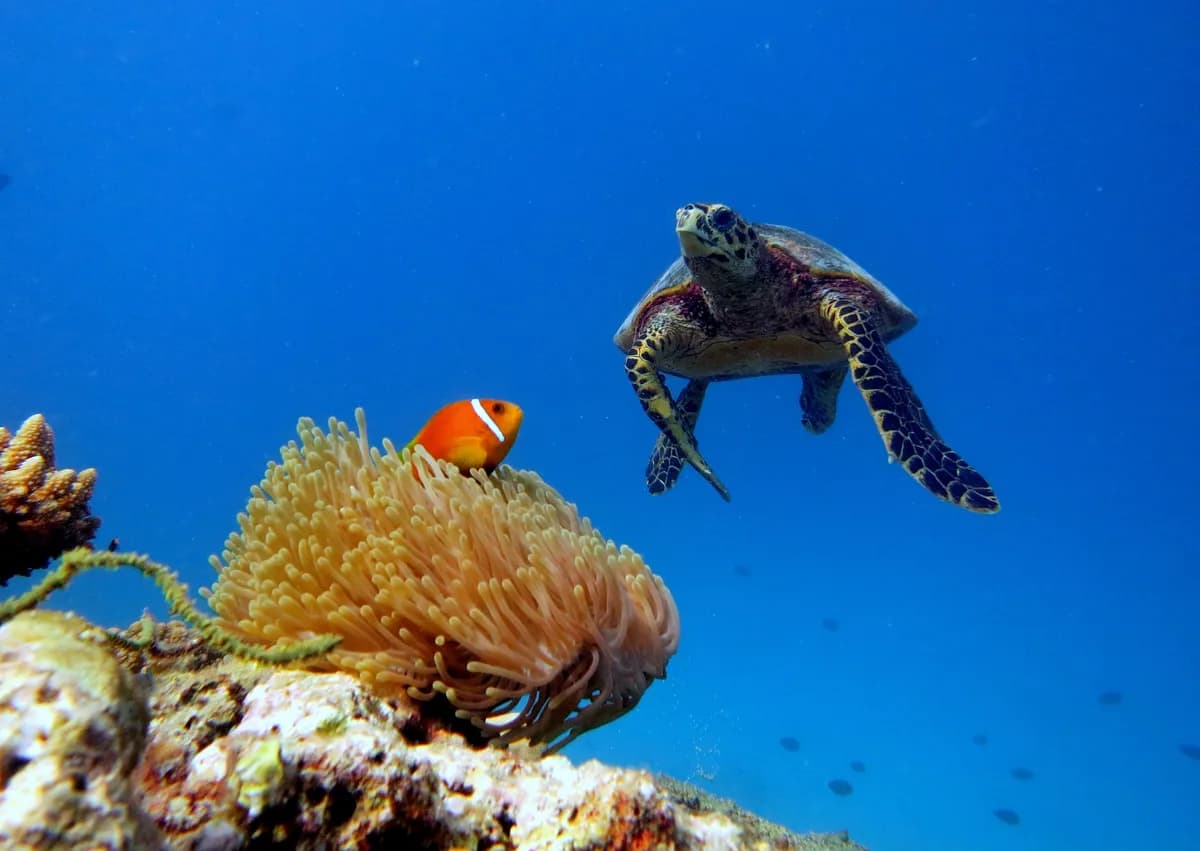 01 · Far NorthFar North
Baa Atoll
UNESCO Biosphere reserve and the country's manta capital from August to November. Twelve resorts in a 1,200 sq km lagoon system, eco-luxury skews strong: Soneva Fushi sets the bar, Anantara Kihavah holds the chain-luxury slot, Vakkaru carries the boutique line.
Read the Baa Atoll guide → 02 · Far NorthFar North
Noonu Atoll
The quietest of the marketable northern atolls, dominated by the eco-luxury bracket. Cheval Blanc Randheli is the headline house, Velaa Private Island runs the country's most expensive private retreat. The seaplane is long, the lagoon is empty.
Read the Noonu Atoll guide → 03 · CentralCentral
South Ari Atoll
Whale sharks year-round on the southwest reef. The widest price range of any single atoll: the country's only public guesthouse strip on Maamigili, mid-tier resorts on Dhigurah, Conrad Rangali at the high end. Diving is the through-line.
Read the South Ari Atoll guide →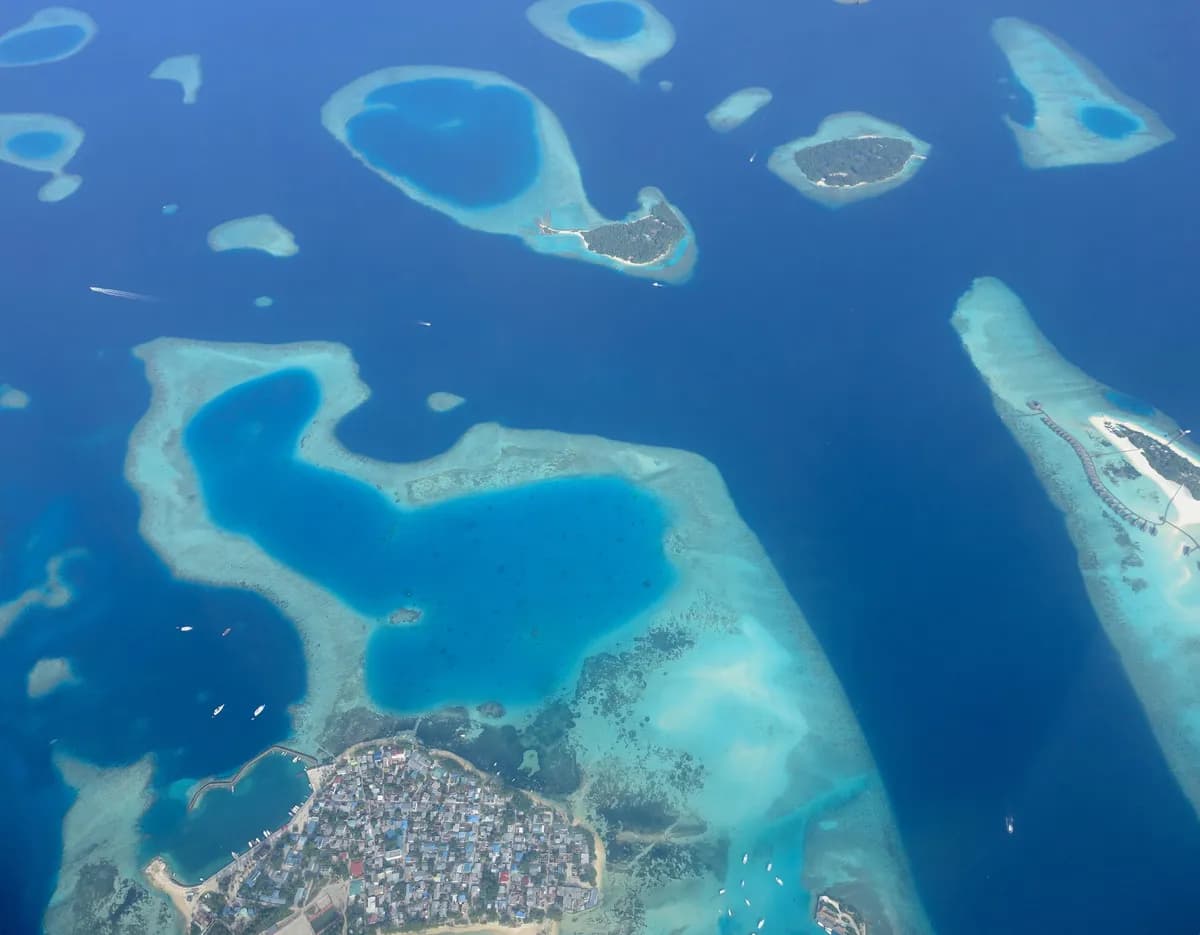 04 · CentralCentral
North Malé Atoll
Closest to Velana. Twenty to forty minutes by speedboat covers most of the inventory, which is why this is the busiest atoll. Gili Lankanfushi sits at the eco-luxury end, One&Only Reethi Rah is the largest single-island estate in the country.
Read the North Malé Atoll guide → 05 · Far SouthFar South
Laamu Atoll
The surf atoll. Six Senses Laamu is the only marketable resort and runs the country's deepest marine research programme: three full-time biologists, partnerships with Manta Trust, Olive Ridley Project and Blue Marine Foundation. May to October swell window.
Read the Laamu Atoll guide → 06 · Far NorthFar North
Raa Atoll
The Soneva Jani atoll. Long crescent reefs and the lowest density of resorts in the marketable atolls. Joali Maldives carries the contemporary-art-led brief, The Standard runs the playful mid-luxury slot. Forty-minute seaplane from Velana.
Read the Raa Atoll guide →
The Maldives, by atoll
Fifteen atolls we track on a single map, colour-coded by latitude. Hover or tap to read transfer time and dominant resort style, click to open the guide.
Baa Atoll, the only UNESCO Biosphere in the Maldives
From August through November, Hanifaru Bay hosts the world's largest reef manta aggregation: 100 to 200 mantas occupying a single square kilometre of water on a rising tide. Outside the manta window, the atoll's upper-tier resort cluster (Soneva Fushi, Anantara Kihavah, Four Seasons Landaa Giraavaru) carries the visit.
“The marine lab is the real thing, three full-time biologists, partnerships with Manta Trust, Olive Ridley Project and Blue Marine Foundation, and a research log that predates the rebrand. The southern reefs explain why they bothered.”
Six Senses Laamu, the full review →
What a day actually feels like
Six scenes from a typical day at a Maldives resort, written from the pattern across thousands of trip reports rather than the brochure.
The first photograph is from the seaplane
The aerial view of the central-atoll lagoon from a Trans Maldivian twin-otter is the trip's defining first image. Sit on the right side flying out for the strongest aerial shots; the descent into the destination lagoon is the part nobody photographs from the marketing material.
Most guests overestimate the seaplane's volume. The cabin runs roughly 95 dB for the forty-minute flight. Bring real earplugs, not the supplied foam.
Morning on the over-water deck
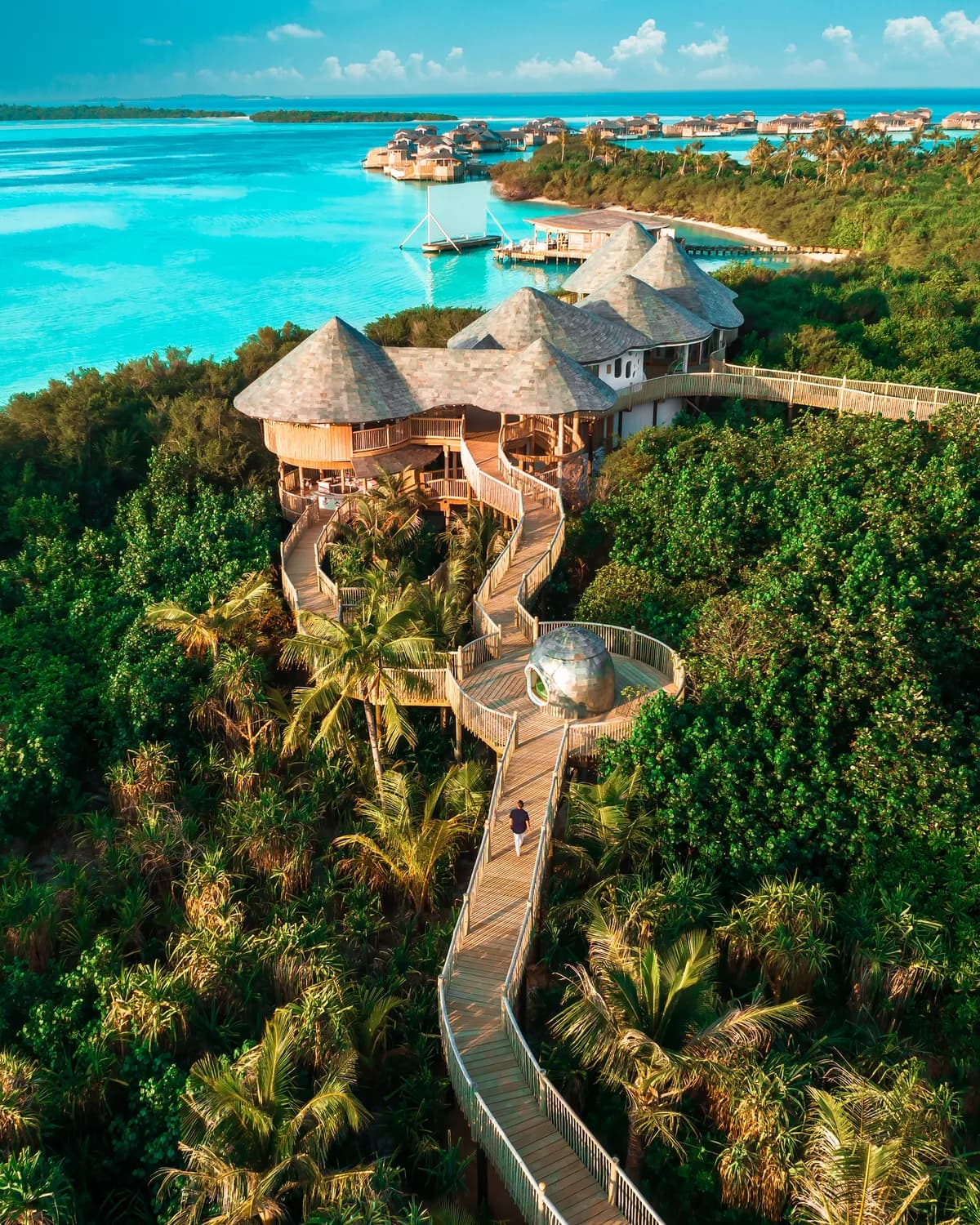
The first morning sets the rhythm of the rest of the stay. The over-water deck at sunrise is the resort's quietest hour. The lagoon water under the deck reads turquoise in the slanting light, the wind is still, and the kitchen has not yet started service for the breakfast pavilion.
Skip the breakfast room on the first morning. Order in-villa. The view is the holiday.
Snorkel before the boat-traffic builds
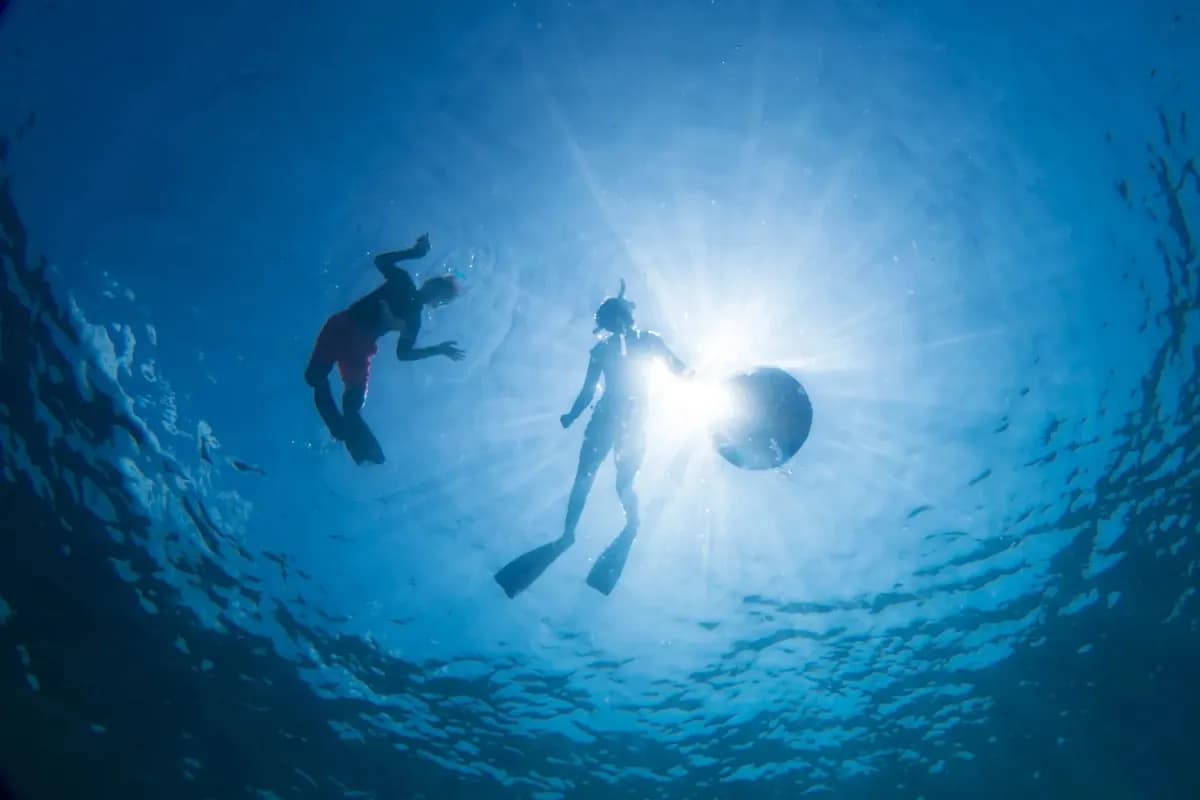
The house reef is at its quietest before 11:00. The boat-dive groups have left for the outer-reef sites, the day visitors have not yet arrived, and the water on the lee side of the island is the calmest it will be all day. The fish that hide during peak hours come out on the early snorkel.
A house reef in the central atolls runs to roughly 20 to 25 metres visibility in the dry season. The first reef edge is typically 60 to 100 metres off the beach. Walk out, do not boat.
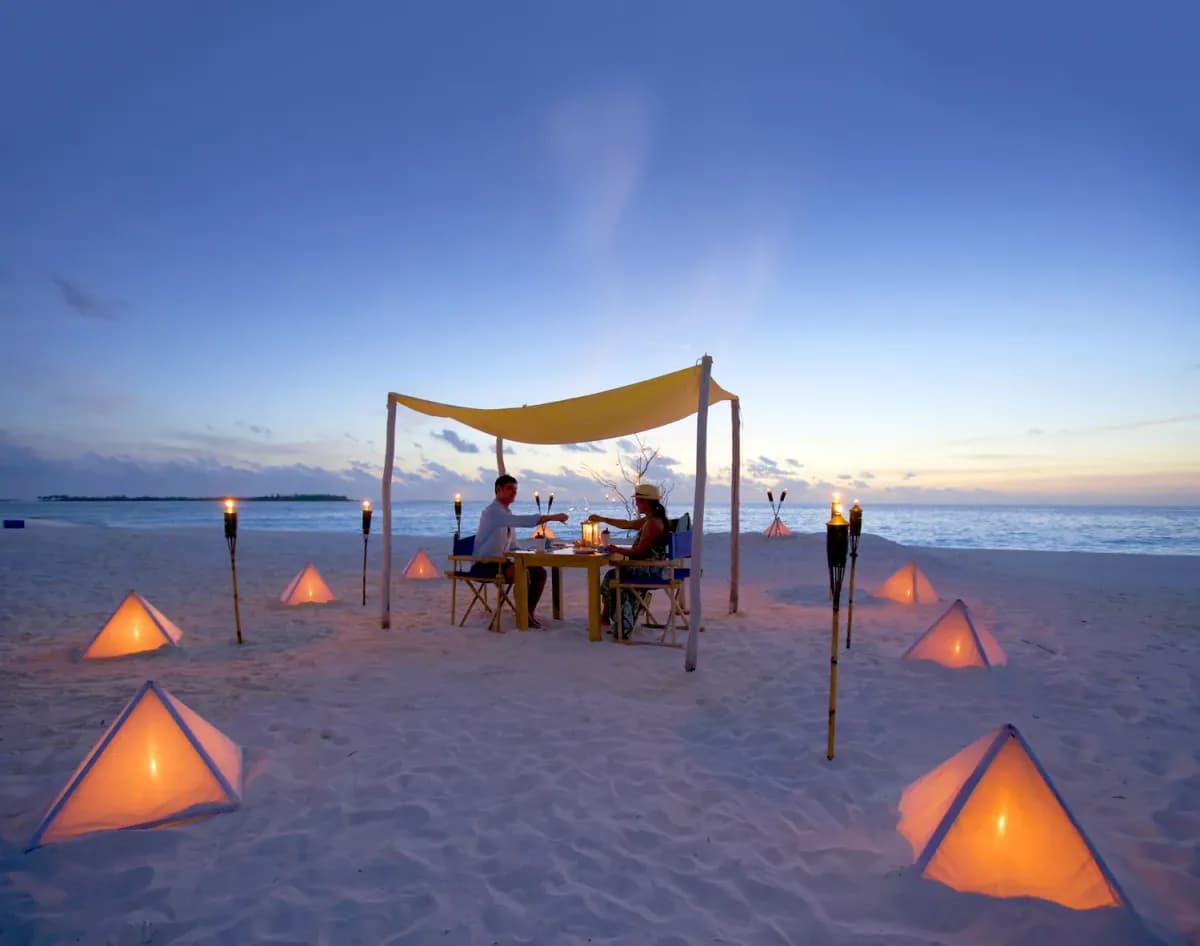
Lunch on an island you brought with you
Most resorts run a sandbank lunch as a destination dining option. The boat is short, the table is set on a private patch of sand the size of a tennis court, and the meal is a chef-led tasting menu with the lagoon as the dining room. The novelty wears off in one sitting; book it once.
The right time of day is 13:00 to 15:00. The sun is overhead, the water around the sandbar reads at its strongest, and the wind has not yet picked up for the afternoon.
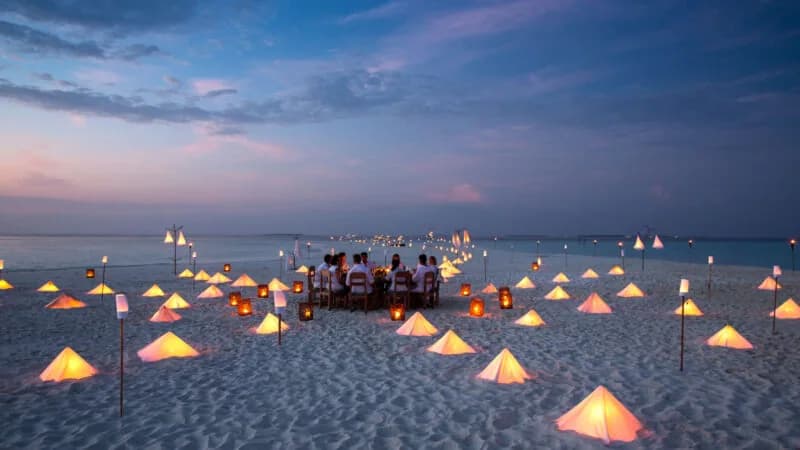
The horizon line goes amber, then violet, then deep navy
The Maldivian sunset is the trip's defining colour shift. The lagoon water turns flat for the slack tide window, the sky moves through amber and salmon and violet in roughly twelve minutes, and the resort programmes a drinks service at the sunset bar that times to the colour shift.
Photograph the second half of the sunset, not the first. The first ten minutes carry the most saturated colour; the second ten minutes carry the more interesting silhouette work.
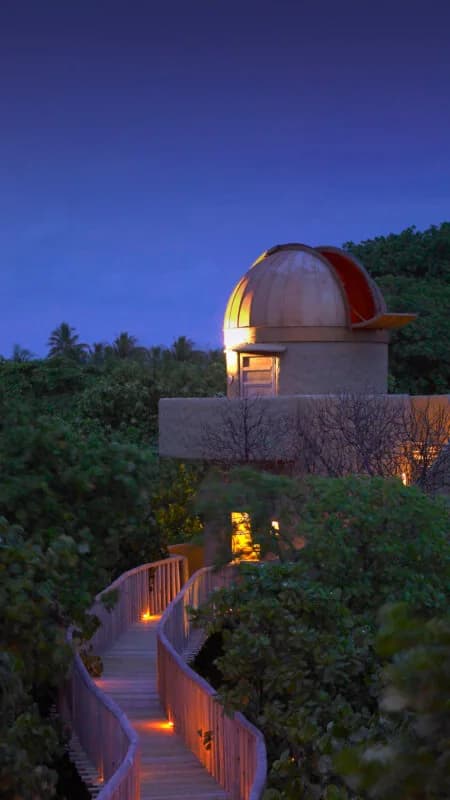
The stars at the equator are not the stars you know
The Maldivian latitude (roughly 4 degrees north of the equator) puts both northern and southern hemisphere constellations in the same sky. The southern cross sits low to the south; Orion at its summer position runs overhead; the Milky Way arcs across the equatorial plane.
A handful of resorts run a resident-astronomer programme with a working observatory. Soneva Fushi and Soneva Jani are the country's two strongest. Even without the observatory, the night sky from a private deck is the trip's quiet best photograph.